Blog
Modern Gym Lighting Guide 2026 | Design, Lux Levels & LED Tips

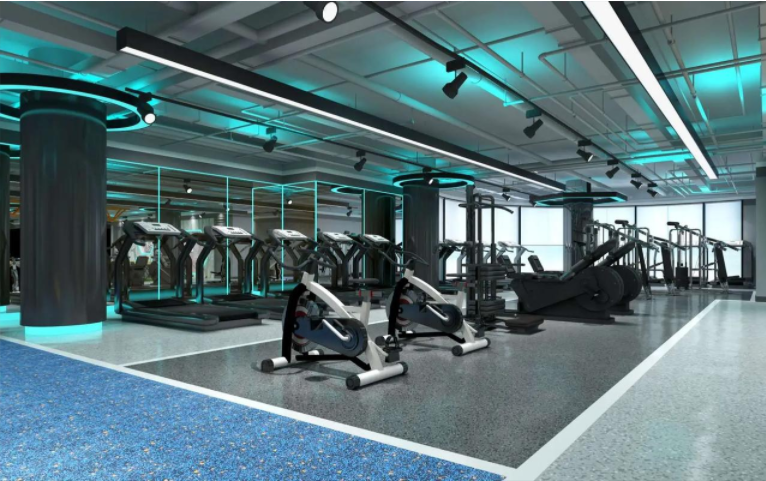
Modern gym lighting is no longer just about brightness—it’s about performance, safety, mood, and energy efficiency. Whether you're designing a commercial fitness center, boutique studio, or home gym, the right lighting strategy can significantly impact user experience and operational costs.
Why Gym Lighting Matters
Lighting plays a crucial role in how people feel and perform during workouts:
Motivation & Energy: Bright, well-distributed light enhances alertness.
Safety: Proper illumination reduces the risk of injury.
Aesthetics: Clean, modern lighting enhances brand perception.
Performance Tracking: Clear visibility improves form and technique.
Types of Modern Gym Lighting
1. Ambient Lighting (General Illumination)
Ambient lighting provides overall brightness across the gym floor.
Best options:
LED linear lights
High bay lights (for large gyms)
Magnetic track lighting systems
Tips:
Aim for 300–500 lux for general gym areas
Ensure uniform light distribution to avoid shadows
2. Task Lighting (Focused Performance Areas)
Task lighting is used in specific workout zones like weightlifting areas or cardio sections.
Applications:
Free weight zones
Treadmill rows
Functional training areas
Tips:
Use directional spotlights or adjustable track lights
Increase brightness to 500–750 lux for precision activities
3. Accent Lighting (Aesthetic & Branding)
Accent lighting adds depth and visual appeal.
Examples:
LED strips along walls or ceilings
Backlit mirrors
Highlighting logos or architectural features
Benefits:
Enhances brand identity
Creates a premium, Instagram-worthy environment
4. Smart & Dynamic Lighting
Smart lighting systems are increasingly popular in modern gyms.
Features:
App-controlled brightness and color
Scene-based lighting (HIIT, yoga, cycling)
Motion sensors and scheduling
Benefits:
Energy savings
Personalized workout environments
Enhanced member engagement
Key Lighting Design Considerations
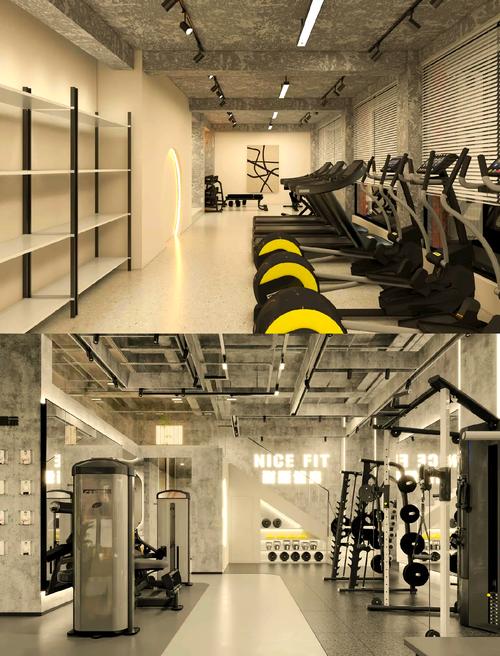
1. Color Temperature (CCT)
4000K–5000K (Cool White): Ideal for high-energy zones
3000K–3500K (Warm White): Suitable for yoga/stretching areas
Balanced lighting improves both focus and comfort
2. Color Rendering Index (CRI)
Choose CRI > 80 (preferably 90+)
Ensures accurate color visibility for skin tones and equipment
3. Glare Control
Excessive glare can cause discomfort and reduce performance.
Solutions:
Anti-glare diffusers
Indirect lighting
Proper beam angle selection
4. Energy Efficiency
LED lighting dominates modern gym design due to:
Lower power consumption
Longer lifespan (50,000+ hours)
Reduced maintenance costs
Best Lighting Solutions for Different Gym Areas
| Area | Recommended Lighting | Lux Level |
|---|---|---|
| Cardio Zone | Linear LED / Track Lights | 300–500 lux |
| Weight Area | Spot + High Bay | 500–750 lux |
| Studio (Yoga) | Dimmable Warm Lighting | 200–400 lux |
| Reception | Accent + Ambient | 300–500 lux |
| Locker Rooms | Soft Diffused Lighting | 200–300 lux |
Why Magnetic Track Lighting is Trending in Gyms
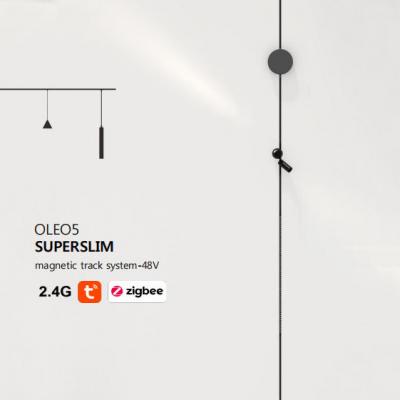
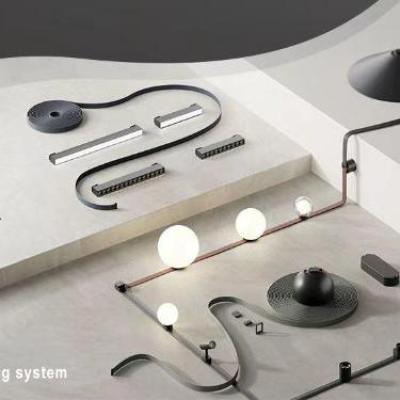
Magnetic track lighting systems are becoming a top choice for modern gyms due to flexibility and sleek design.
Advantages:
Modular and adjustable layout
Easy installation and repositioning
Minimalist aesthetic
Ideal for dynamic gym spaces
Use Cases:
Functional training zones
Boutique fitness studios
Premium commercial gyms
Common Gym Lighting Mistakes to Avoid
X-Over-lighting (causes glare and fatigue)
X-Uneven lighting distribution
X-Ignoring color temperature differences
X-Using low CRI lighting
X- Poor fixture placement
Future Trends in Gym Lighting (2026 & Beyond)
Human-centric lighting (adjusts with circadian rhythms)
AI-integrated lighting systems
Wireless control systems
Sustainable & recyclable fixtures
Conclusion
Modern gym lighting is a powerful combination of technology, design, and functionality. By integrating ambient, task, accent, and smart lighting, gym owners can create an environment that boosts performance, enhances safety,and elevates brand appeal.
Whether you're upgrading an existing facility or designing a new one, investing in the right lighting system—especially
flexible solutions like magnetic track lighting—will deliver long-term benefits.
FAQ: Gym Lighting
Q1: What is the best lighting for gyms?
LED lighting with a mix of ambient and task lighting is ideal for efficiency and performance.
Q2: How bright should a gym be?
Typically between 300–750 lux, depending on the activity zone.
Q3: Is warm or cool lighting better for workouts?
Cool lighting (4000K–5000K) is better for high-energy workouts, while warm lighting suits relaxation areas.
Q4: Are smart lighting systems worth it?
Yes, they improve energy efficiency, customization, and user experience.
Author introduction

Author
G'day My friends,
My name is Royce O'young, I’m the sales manager of Oleder Lighting. I have been in the LED lights industry for more than 16 years. Good at lighting design, track light & street light system configuration, and bidding technology support,and architecture inner decorating lighting advice . Feel free to contact us.I’m happy to provide you with the best service and products.
Email: r.oyoung@oleder-lighting.com | Wechat/WhatsApp: +86159 2057 0517.
Recommended Products

CATEGORIES
CONTACT US
Contact: Royce O'young
Phone: 15920570517
Tel: 0086-20-37716973
Email: r.oyoung@oleder-lighting.com
Add: Room 335,#1 Xianke 1st Rd, Honglitronic Group,Huadu ,510890, Guangzhou,P.R.C.
 Send Email
 Royce O'young
 Sales
Sales WhatsApp