Blog
Class I vs Class II vs Class III Lighting: Complete Safety Guide (2026)

Introduction
When selecting lighting systems for commercial, residential, or industrial projects, electrical safety classification is just as important as lumen output or design aesthetics.
The three main categories—Class I, Class II, and Class III lighting—define how fixtures protect users from electric shock. Understanding these classes helps contractors and designers choose the right system for compliance, safety, and performance.
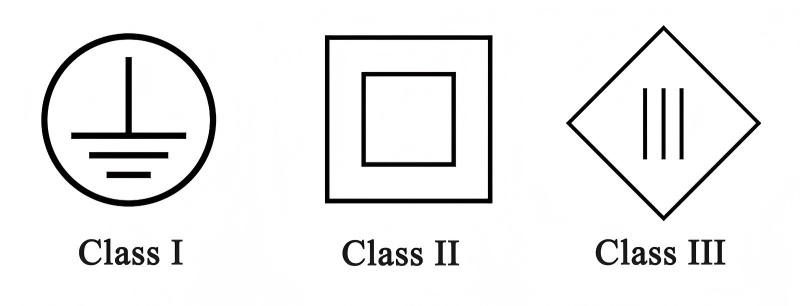
What Are Lighting Protection Classes?
Lighting protection classes are defined by international standards such as the International Electrotechnical Commission and commonly referenced in regulations like IEC 60598.
They classify luminaires based on insulation design and grounding requirements.
Class I Lighting (Earthed Fixtures)
What It Is
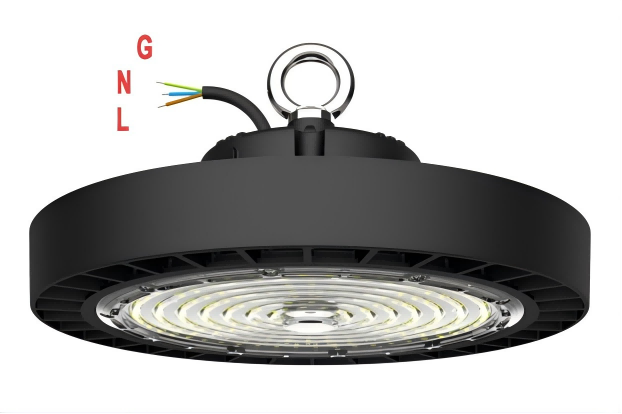
Class I lighting includes fixtures with basic insulation and a protective earth (ground) connection.
How It Works
If a fault occurs (e.g., insulation failure), the electrical current is safely directed to the ground wire, preventing electric shock.
Key Features
Requires earth connection
Metal housing common
Standard for high-power applications
Typical Applications
Industrial lighting
Street lighting
Pros
✔ High reliability
✔ Suitable for high voltage systems
Cons
✖ Requires proper grounding
✖ Installation must comply strictly with wiring regulations
Class II Lighting (Double Insulated)
What It Is
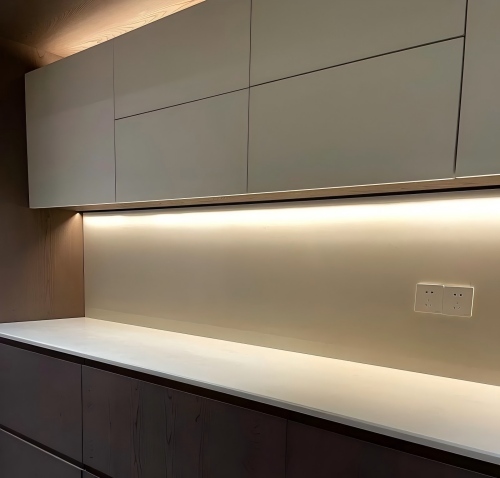
Class II lighting uses double insulation or reinforced insulation, eliminating the need for grounding.
How It Works
Two independent insulation layers protect users from electrical contact, even if one layer fails.
Key Features
No earth wire required
Marked with a “double square” symbol
Safer for general use
Typical Applications
Residential lighting
Decorative luminaires
Pros
✔ Easier installation
✔ Reduced risk in case of wiring faults
Cons
✖ Not ideal for extreme industrial environments
✖ Limited in very high-power systems
Class III Lighting (Low Voltage / SELV)
What It Is
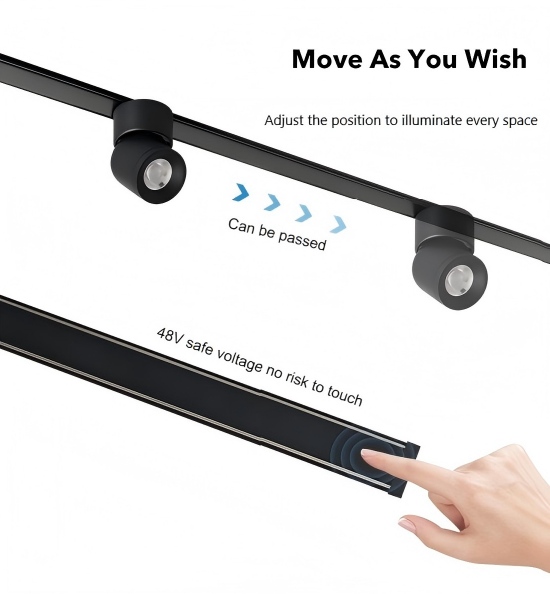
Class III lighting operates on Safety Extra-Low Voltage (SELV), typically below 50V AC or 120V DC.
Related Concept
This category is closely tied to Safety Extra Low Voltage systems.
How It Works
The system uses a transformer or driver to reduce voltage to a level that cannot cause harmful electric shock.
Key Features
Ultra-low voltage operation
No risk of electric shock under normal conditions
Requires dedicated driver or transformer
Typical Applications
LED strip lighting
Magnetic track lighting systems
Outdoor landscape lighting
Bathroom and wet-area lighting
Pros
✔ Highest safety level
✔ Ideal for human-contact environments
Cons
✖ Requires additional power supply
✖ Limited distance due to voltage drop
Quick Comparison Table
| Feature | Class I | Class II | Class III |
|---|---|---|---|
| Protection Type | Grounded | Double Insulated | Low Voltage (SELV) |
| Earth Required | Yes | No | No |
| Voltage Level | Standard mains | Standard mains | Extra-low voltage |
| Safety Level | High | Higher | Highest |
| Installation | Complex | Moderate | Requires driver |
Which Lighting Class Should You Choose?
For Industrial Projects
Go with Class I lighting for durability and high-power operation.
For Residential & Commercial
Class II lighting offers the best balance of safety and ease of installation.
For Smart & Modern Lighting Systems
Class III lighting is ideal—especially for:
Magnetic track lighting
Smart home integration
Retail display lighting
Lighting Trends: Why Class III Is Growing Fast
With the rise of smart lighting and magnetic track systems, Class III solutions are becoming increasingly popular.
Low-voltage systems allow:
Flexible installation layouts
Safer user interaction
Integration with dimming and IoT controls
This trend is especially strong in modern kitchens, retail stores, and hospitality environments.
Common Mistakes to Avoid
❌ Ignoring grounding requirements for Class I
❌ Mixing incompatible drivers in Class III systems
❌ Assuming Class II is suitable for all environments
❌ Overlooking voltage drop in low-voltage setups
FAQ
What is the safest lighting class?
Class III lighting is the safest because it operates at extra-low voltage levels,E.X. Class III magnetic track light.
Can Class II replace Class I?
In many cases, yes—but not in heavy industrial environments requiring grounding.
Is Class III lighting expensive?
Initial costs may be higher due to drivers, but installation and safety benefits often outweigh the cost.
Conclusion
Understanding the differences between Class I, II, and III lighting is essential for designing safe and efficient lighting systems.
Class I = grounded and robust
Class II = double insulated and convenient
Class III = low voltage and safest
For modern lighting applications—especially magnetic track systems—Class III is quickly becoming the preferred choice.
Author introduction

Author
G'day My friends,
My name is Royce O'young, I’m the sales manager of Oleder Lighting. I have been in the LED lights industry for more than 16 years. Good at lighting design, track light & street light system configuration, and bidding technology support,and architecture inner decorating lighting advice . Feel free to contact us.I’m happy to provide you with the best service and products.
Email: r.oyoung@oleder-lighting.com | Wechat/WhatsApp: +86159 2057 0517.
Recommended Products

CATEGORIES
CONTACT US
Contact: Royce O'young
Phone: 15920570517
Tel: 0086-20-37716973
Email: r.oyoung@oleder-lighting.com
Add: Room 335,#1 Xianke 1st Rd, Honglitronic Group,Huadu ,510890, Guangzhou,P.R.C.
 Send Email
 Royce O'young
 Sales
Sales WhatsApp